

Plants, People, and
Coevolution
A Shared Evolutionary History
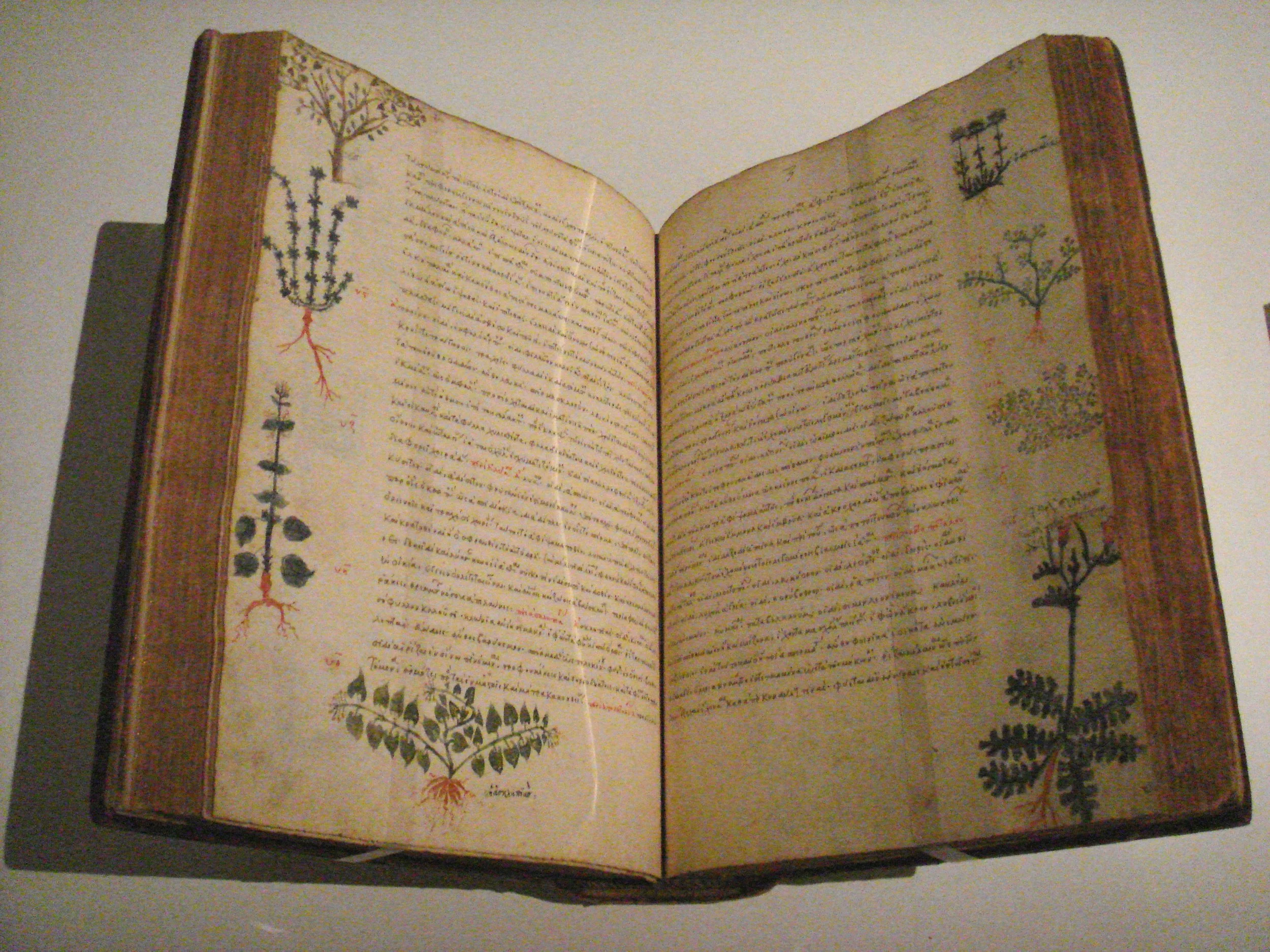
Humans have lived alongside plants for as long as our species has existed. Long before modern nutrition science, pharmacology, or clinical trials, plants were used for food, shelter, flavor, ritual, and traditional practices. This relationship was not one-sided; as humans learned which plants were nourishing, bitter, stimulating, calming, or toxic, plants also influenced human behavior through taste, aroma, color, seasonality, and biological activity. At Verus PhytoMed™, botanical science is viewed through this broader lens: plants are not simply “natural products,” but complex living organisms that have evolved chemical systems over millions of years.
Why Plants Produce Bioactives
Plants cannot escape sunlight, drought, insects, fungi, bacteria, or grazing animals. Instead, they rely heavily on chemistry. Many plant compounds evolved as part of these adaptive strategies, helping plants:
Defend against insects and microbes
Respond to environmental stress
Protect against oxidative damage
Communicate with pollinators
Discourage overconsumption
Adapt to changing climates and soils
These compounds include polyphenols, alkaloids, terpenes, organosulfur compounds, flavonoids, and other phytochemicals. Some of these compounds have been observed to interact with human biological pathways when consumed. This does not imply that all plant compounds are beneficial, or that “natural” inherently means safe. Rather, it reflects that plants contain biologically active chemistry that warrants careful, evidence-based evaluation.
Human Diets and Plant Exposure
Across cultures, traditional diets have included herbs, spices, teas, roots, fruits, leaves, seeds, fibers, and fermented plant foods. These foods provided not only calories and micronutrients, but also a wide range of non-essential plant compounds. Modern diets often include less diversity of plant exposure than traditional dietary patterns, contributing to increased scientific interest in how plant-derived compounds may influence biomarkers related to oxidative stress, metabolism, vascular function, gut microbiota, and inflammatory signaling. At the same time, concentrated botanical extracts differ from whole foods. Supplements may deliver higher doses of specific compounds than would typically be consumed in a normal diet. As a result, factors such as extract composition, standardization, dosing, and safety become important considerations.
Botanicals Are Not Magic -
They Are Chemistry
A core principle of Verus PhytoMed™ is that botanical products should not be evaluated based on tradition or anecdote alone.
They should be evaluated by asking:
What compounds are present?
Is the extract standardized?
Has it been studied in humans?
What dose was used?
What biomarkers changed?
Were findings consistent across studies?
What safety considerations or interactions are known?
Does the product resemble what was used in research?
This approach respects traditional plant use while applying modern scientific standards.
Coevolution Does Not Equal Proof
The long relationship between humans and plants is biologically relevant, but it is not proof that any specific botanical supplement is effective. A plant may have a long history of use and still lack strong clinical evidence, while another may have plausible mechanisms but limited human data. Some botanicals may also carry meaningful risks, particularly when combined with medications or used in certain populations. For this reason, Verus PhytoMed™ separates biological plausibility from clinical evidence. Coevolution is considered a useful framework—not a substitute for human clinical evidence.
Our Perspective
Plants and humans have shaped one another across food systems, culture, medicine, agriculture, and biology. Modern botanical science, in many ways, represents a continuation of this long relationship. Verus PhytoMed™ focuses on botanicals supported by meaningful human research, evaluated through transparent evidence standards and interpreted with appropriate context. Emphasis is placed on what studies report, what remains uncertain, and how available products compare with the forms and doses used in clinical research.
Educational Notice
The information provided on this page is for educational purposes only and is not intended as medical advice, diagnosis, or treatment. Readers should consult qualified healthcare professionals for personal health decisions.
See how these principles are applied in practice in the Botanical Library.